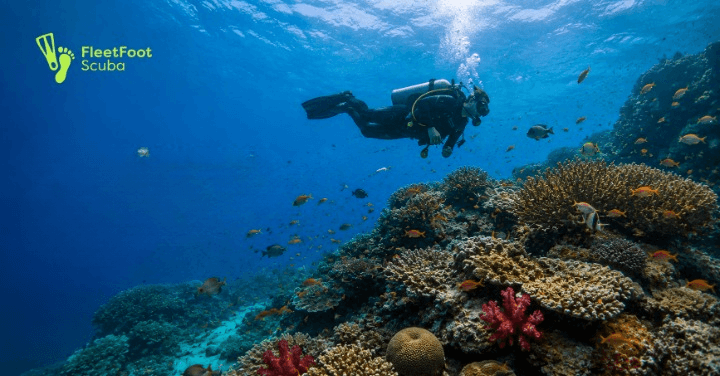
When divers talk about bucket-list dive destinations, one name consistently rises to the top: Raja Ampat. Located in Indonesia's Coral Triangle, this remote archipelago is often described as the epicenter of marine biodiversity on Earth—and for good reason.
Home to more than 1,500 species of fish and hundreds of species of coral, Raja Ampat offers an underwater experience that few places can match. For divers seeking extraordinary marine life, pristine reefs, and unforgettable encounters, it stands among the world's premier international dive destinations.
What Makes Raja Ampat So Special?
Scientists consider Raja Ampat the richest marine ecosystem on the planet. A single dive can reveal colorful reef fish, schools of barracuda, manta rays, reef sharks, turtles, and vibrant coral gardens bursting with life. According to The Nature Conservanc Raja Ampat sits at the heart of the Coral Triangle and supports the highest recorded marine biodiversity on Earth.
The sheer density and diversity of marine species make every dive feel like swimming through a nature documentary.
Some of the Best Waters to Dive In
Many divers spend years searching for the best waters to dive in, only to discover that Raja Ampat consistently exceeds expectations. Crystal-clear visibility, healthy coral reefs, and thriving marine populations combine to create world-class diving conditions.
Whether you're drifting along a current-swept reef or exploring a sheltered lagoon, every site offers something unique.
A Must-Visit for Dive Travellers
Among all the international dive destinations available today, Raja Ampat remains remarkably untouched. Its remote location has helped preserve the reefs, allowing divers to experience ecosystems that remain largely intact.
For those who love underwater photography, marine biology, or simply being surrounded by incredible ocean life, Raja Ampat is a dream destination.
More Than Just a Dive Trip
What sets Raja Ampat apart from many other dive destinations is the sense of discovery. Beyond the diving, visitors encounter dramatic limestone islands, turquoise lagoons, secluded beaches, and breathtaking viewpoints that feel far removed from the modern world.
The journey may be longer than many dive trips, but the reward is an experience unlike any other.
Why It Belongs on Every Diver's List
There are many spectacular dive destinations around the world, but few can claim the biodiversity, beauty, and ecological significance of Raja Ampat. It's no surprise that experienced divers frequently rank it among the top international dive destinations they have ever visited.
If you're searching for the best waters to dive in, Raja Ampat offers something increasingly rare: an underwater world that still feels wild, abundant, and full of wonder.
For many divers, it's not just another destination—it's the benchmark against which all future dives are measured.
Conclusion
Raja Ampat isn't just a dive destination—it's a living reminder of how rich and resilient our oceans can be when left largely undisturbed. From manta-filled cleaning stations to coral gardens that stretch as far as visibility allows, every dive here adds something new to your logbook and your memory. Whether you're an experienced diver chasing rare encounters or a traveler looking for the best waters to dive in, Raja Ampat delivers an experience that's genuinely hard to compare to anywhere else on the planet.
If this kind of diving speaks to you, joining a dedicated Raja Ampat scuba diving group trip or booking through an experienced Raja Ampat liveaboard group organizer is the easiest way to make sure you don't miss the best sites, seasons, or marine life encounters.
Connect With Us
Planning your own Raja Ampat adventure? Whether you're looking to join a small-group dive trip or want help choosing the right liveaboard itinerary, our team can guide you through every step—from route planning to certification requirements. Reach out to us today and let's start planning your dive into the planet's richest marine ecosystem.
FAQs
Q1: What is the best time of year to dive in Raja Ampat?
The diving season generally runs from October to April, with conditions varying slightly by region depending on currents and visibility.
Q2: Do I need to be an advanced diver to visit Raja Ampat?
Not necessarily. While some sites have stronger currents suited to advanced divers, there are also beginner-friendly sites, especially in sheltered lagoons and bays.
Q3: Is it better to dive Raja Ampat via liveaboard or a resort stay?
Both options work well, but a liveaboard typically gives you access to more remote sites and a wider variety of dive locations in a single trip.
Q4: What marine life can I expect to see in Raja Ampat?
Expect manta rays, reef sharks, turtles, schooling barracuda, pygmy seahorses, and an extraordinary range of coral and reef fish species.
Q5: Is Raja Ampat suitable for underwater photographers?
Yes, it's considered one of the top destinations globally for underwater photography due to its biodiversity and pristine reef conditions.
Q6: How do I get to Raja Ampat?
Most travelers fly into Sorong, West Papua, and then continue by boat or speedboat to the islands or liveaboard departure point.
Q7: Is it worth joining a group trip instead of traveling independently?
Joining a Raja Ampat scuba diving group trip or going through a liveaboard organizer often makes logistics easier, gives access to better-planned itineraries, and connects you with fellow divers.