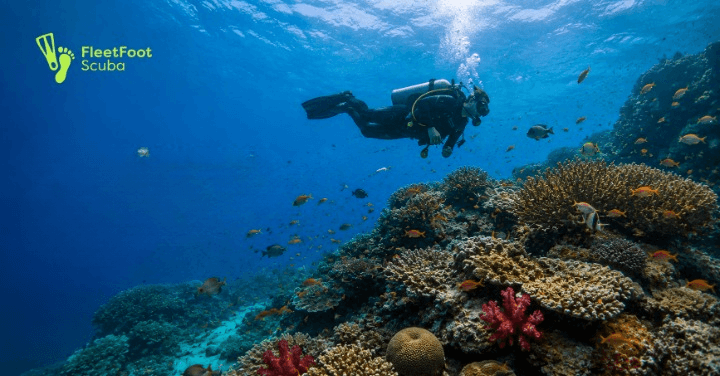
In a world that rarely slows down, finding activities that genuinely help you disconnect and recharge can be challenging. Scuba diving offers something unique—a chance to step away from daily distractions and immerse yourself in a completely different environment. So, is scuba diving good for your health? Many divers would answer with an enthusiastic yes. Beyond the adventure, diving can have a positive impact on both physical and mental well-being.
A Natural Stress Reliever
One of the first things divers notice underwater is the sense of calm. The slow, controlled breathing used during diving can help reduce stress and encourage mindfulness. If you've ever wondered whether scuba diving is good for your health, the mental reset it provides is one of the strongest arguments.
Gentle Exercise With Big Benefits
Diving is a low-impact activity that engages multiple muscle groups while improving balance, flexibility, and endurance. Swimming against gentle currents and maintaining buoyancy provide a full-body workout without placing excessive strain on the joints.
A Digital Detox Like No Other
Few activities allow you to completely disconnect from emails, notifications, and screens. Underwater, your attention naturally shifts to your surroundings, creating a rare opportunity to be fully present in the moment.
Building Confidence Through Learning
Many people discover that scuba diving training is about more than learning skills—it's about building confidence. As you master new techniques and become more comfortable underwater, you develop a greater sense of self-reliance and achievement. Globally recognized bodies like PADI offer structured certification pathways that make this learning journey safe, progressive, and accessible to beginners and experienced divers alike.
Connecting With Nature
Spending time among coral reefs, marine life, and open water can be incredibly restorative. Studies consistently show that time spent in nature benefits mental health, and the underwater world offers a particularly immersive experience.
Wellness Through Adventure
For those asking whether scuba diving is good for your health, the answer extends beyond fitness. Diving combines physical activity, mindfulness, learning, and connection with nature in a way few other activities can.
The journey often begins with scuba diving training, where you learn the skills needed to dive safely and confidently. As your experience grows, so do the wellness benefits—from reduced stress levels to increased confidence and a deeper appreciation for the natural world.
Escape, Breathe, Recharge
A scuba wellness escape isn't just a holiday—it's an opportunity to reset both body and mind. Whether you're new to the underwater world or considering your first scuba diving training course, you may discover that the greatest benefit isn't what you see underwater—it's how you feel when you surface.
Conclusion
Scuba diving is far more than an adrenaline-filled adventure—it's a holistic wellness experience that nurtures the body, calms the mind, and reconnects you with nature. From the meditative rhythm of underwater breathing to the confidence gained through proper scuba diving training, every dive offers a chance to reset and recharge in ways everyday life rarely allows. If you're looking for a meaningful escape that benefits both your physical and mental health, it might be time to take the plunge.
Connect With Us
Ready to begin your scuba wellness journey? Reach out to us today to learn more about our scuba diving training programs and start your path toward a healthier, more mindful you—both above and below the water.
FAQs
Q1: Is scuba diving good for beginners with no experience?
Yes, most scuba diving training programs are designed for complete beginners and start with the basics of breathing, buoyancy, and safety before progressing to open-water dives.
Q2: How does scuba diving help reduce stress?
The slow, controlled breathing required underwater activates a calming response in the body, similar to meditation, helping to lower stress and promote mindfulness.
Q3: Do I need to be very fit to start scuba diving training?
No, scuba diving is a low-impact activity suitable for most fitness levels. Basic swimming ability and general good health are usually sufficient to begin training.
Q4: How long does it take to complete a scuba diving training course?
Most beginner certification courses can be completed within a few days, combining theory sessions, confined water practice, and open water dives.
Q5: Can scuba diving really improve mental health?
Yes, the combination of mindful breathing, being present in the moment, and connecting with nature underwater can significantly reduce anxiety and improve overall mental well-being.
Q6: What physical benefits can I expect from regular diving?
Regular diving can improve cardiovascular endurance, muscle tone, flexibility, and balance, all while being gentle on the joints.
Q7: Is scuba diving training safe for older adults?
With proper medical clearance and qualified instruction, many older adults safely enjoy scuba diving training and experience its physical and mental wellness benefits.